Dream Bean: The Friendly Handwritten Font for Authentic Business Branding
As a business owner, your visual communication is everything. From your packaging to your Instagram posts, every detail contributes to how customers perceive you. One of the most powerful, yet often overlooked, tools in your arsenal is your choice of font. It’s not just about making words readable; it’s about setting a mood, conveying personality, and building a consistent brand experience. That’s where a font like Dream Bean comes in.
The Unique Appeal of Dream Bean
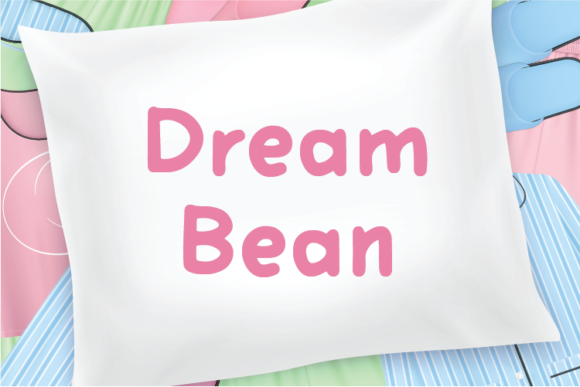
Dream Bean is a natural handwritten font. Its creators describe it as a typeface crafted “without changing a single node in each character’s indentation,” which gives it an exceptionally organic and genuine flow. This isn’t a rigid, digital script trying to look human. It feels human. The result is a font with a relaxed, friendly, and slightly whimsical character. It evokes warmth, creativity, and a personal touch—the exact qualities many small businesses and entrepreneurs want to project. Its visual appeal lies in its imperfections, making it feel approachable and trustworthy.
Building a Cohesive Brand from the First Touchpoint
Consistency builds recognition and trust. When customers see the same visual language on your website, your product label, and your thank-you note, they begin to remember you. Dream Bean can become that unifying visual thread across countless business touchpoints.
Consider using it for your main logo or as a prominent accent font on your business cards. On packaging for handmade candles or artisan food products, Dream Bean printed on a label instantly communicates care and craftsmanship. For a bakery or café, it’s perfect for menu headers and special offer signs, adding a homemade feel. Online, it shines in website banners, key headline text, and especially in social media graphics for Instagram or Pinterest, where a personal vibe resonates deeply.
Where to Use Dream Bean in Your Business Materials
- Primary Brand Mark: As a logo or logotype for businesses in creative, handmade, wellness, or food sectors.
- Packaging & Labels: Product names, taglines, or ingredient headers on jars, boxes, and tags.
- Printed Collateral: Headers on flyers, thank-you cards, and promotional stickers.
- Digital Presence: Key headlines on your website homepage, email campaign titles, and graphic text overlays on video content.
- Social Media & Ads: Quote graphics, promotional announcements, and Pinterest pin titles to stand out in a feed.
Practical Advice on Readability and Application
Because Dream Bean is a distinct script font, its best use is often for display purposes—where you want to make a visual impact with a few words. It works beautifully as a headline font, a logo font, or an accent font. For longer blocks of text, like your website’s body copy or detailed product descriptions, you’ll need a more readable partner. This is where font pairing becomes essential.
A simple rule: pair an expressive typeface like Dream Bean with a clean, neutral font. For a modern look, try a straightforward sans serif font. For a more classic feel, a readable serif font can work well. This pairing ensures your messaging is both attractive and clear, even on small mobile screens or tiny printed labels.
Always test Dream Bean in your actual layouts before committing. Print a sample label at its intended size. View it on your phone. Check how it looks in a social media thumbnail. Its unique handwritten style maintains good readability at reasonable sizes, but practical testing is the only way to guarantee it works for your specific application.
Making Your Brand Memorable and Professional
A font like Dream Bean helps you move beyond generic. In a world of default system fonts, a chosen typeface signals intentionality—a key component of professionalism for a small business. It tells your customer that you’ve invested thought into how you present yourself. When that typeface also carries a warm, authentic personality, it makes your brand more memorable. A boutique using Dream Bean on its hangtags creates a different, more personal memory than a boutique using a standard bold font. That memory fosters connection and return visits.
Realistic Examples for Inspiration
- A beauty brand for natural skincare uses Dream Bean for the product name on its minimalist bottle labels, paired with a clean sans-serif for the details.
- A life coach or creative consultant uses it for their website logo and the titles of their downloadable PDF guides, establishing a friendly, supportive tone.
- A craftsman selling handmade wooden toys uses the font on a simple branded stamp for their packaging boxes.
- An online shop for illustrated stationery uses Dream Bean in their Instagram graphics to announce new collections, perfectly matching their product aesthetic.
A Final Essential Step: Understanding Font Licensing
Before you use Dream Bean across your brand, especially on physical products or client work, please check its commercial font license. Most fonts are created with specific usage rules. You need to confirm that you can legally use it on items like product packaging, merchandise, or in templates you sell. This is a standard, responsible step for any business owner using design assets. Using a font properly ensures your creative investment is protected and your business practices are sound.
Choosing a typeface is a foundational branding decision. Dream Bean offers a specific, valuable personality: approachable, human, and creative. By applying it thoughtfully across the real-world materials your customers actually touch and see, you build a consistent, professional, and recognizable brand that feels authentically yours.